Mold Growth After Snow Melt: What Maryland Homeowners Must Know
Winter in Maryland often brings snow, ice accumulation, and fluctuating temperatures. As winter begins to fade and temperatures rise, melting snow can introduce moisture into areas of the home that homeowners may not immediately notice. This excess moisture can create ideal conditions for mold growth if it is not addressed quickly. Understanding how mold growth after water damage develops during the snow melt period can help homeowners take steps to protect their property.
Service Pros Cleanup and Restoration works with homeowners across Maryland who need fast solutions for moisture damage and professional mold remediation when indoor mold becomes a concern. Snow melt may seem harmless, but the moisture it creates can lead to hidden problems.
How Snow Melt Creates Indoor Moisture Problems
When snow begins to melt, water often travels through gutters, downspouts, and drainage areas around the home. However, snow accumulation against the home’s foundation or roof edges can sometimes allow water to enter areas where it should not.
This is especially common in basements, crawl spaces, and attic areas. Over time, these moisture conditions can lead to basement moisture problems and hidden dampness inside walls or insulation. Even small amounts of trapped moisture can begin creating conditions where mold develops.
Why Mold Can Develop Quickly After Winter
Mold spores naturally exist in the air and require only three things to grow: moisture, organic material, and moderate temperatures. After winter snow begins melting, moisture trapped inside building materials can provide the ideal environment for mold colonies to form.
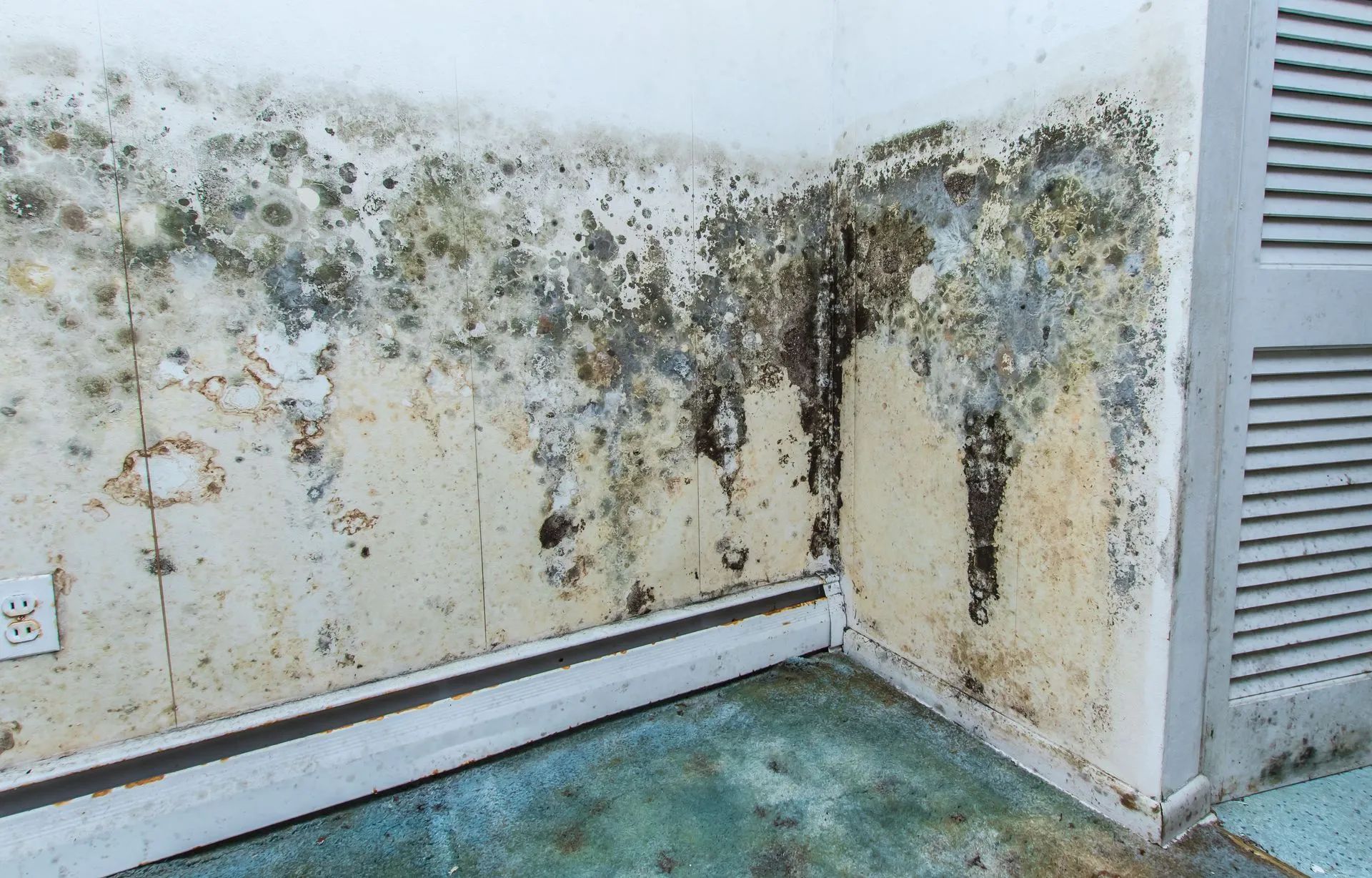
If water intrusion is not addressed, homeowners may eventually require residential mold remediation to eliminate mold growth safely. Many homeowners are surprised to learn that mold can begin forming within a relatively short period once moisture becomes trapped.
Areas of the Home Most Vulnerable After Snow Melt
Certain areas of the home are more likely to experience mold problems after winter weather. Basements are particularly vulnerable because snow melt can lead to increased ground moisture surrounding the foundation.
Attics may also experience moisture issues if melting snow creates roof leaks or condensation problems. These situations can eventually require moisture damage cleanup to prevent further structural concerns. Bathrooms, laundry rooms, and areas near exterior walls can also be susceptible if ventilation is limited.
Signs Mold May Be Developing
Mold often grows in areas that are not immediately visible. However, homeowners may notice certain warning signs that indicate a potential issue. Musty odors, discoloration on walls or ceilings, or increased allergy symptoms indoors can sometimes suggest the presence of mold.
When these signs appear, scheduling an indoor mold inspection can help identify the extent of the issue. Early identification often helps prevent more extensive damage later.
Why Professional Remediation Matters
Attempting to remove mold without proper containment or equipment can sometimes spread spores throughout the home. Professional remediation teams use specialized methods to isolate affected areas and safely remove contaminated materials.
An experienced mold removal company understands how to address both the mold itself and the moisture source that caused the problem. Proper remediation ensures that mold does not continue to spread within the home.
The Link Between Water Damage and Mold
Snow melt often contributes to water intrusion that homeowners may initially overlook. Water entering through small cracks, roof leaks, or foundation gaps can slowly saturate building materials.
In many cases, a professional water damage company must first address the moisture problem before mold remediation can fully resolve the issue. Drying affected materials and controlling humidity are essential steps in stopping mold growth.
Why Maryland Homes Face Seasonal Mold Risks
Maryland’s climate includes cold winters followed by rapid temperature changes in early spring. These fluctuations create ideal conditions for snow melt and moisture buildup around homes.
These seasonal transitions can contribute to post winter home damage that may not be obvious until weeks after the snow has disappeared. Homeowners who remain aware of these risks can take steps to inspect their property during early spring.
How Homeowners Begin Looking for Help
When homeowners begin noticing signs of mold or moisture damage, many start by searching online for "mold remediation near me" to find experienced professionals in their area. Working with a qualified remediation team ensures that both mold growth and moisture sources are properly addressed.
Protecting Your Home After Winter
Snow melt may seem like a routine seasonal change, but it can introduce moisture into areas of the home that lead to mold growth if left untreated. Monitoring basements, attics, and other vulnerable areas during early spring helps homeowners detect potential problems early.
Contact Service Pros Cleanup and Restoration today to learn how professional mold remediation services can help protect your Maryland home from hidden moisture damage and mold growth.