Spring Storm Water Damage in Maryland: How to Prevent Flooding and Costly Home Repairs
Spring storms across Maryland often bring heavy rainfall, strong winds, and sudden temperature changes. While these storms can pass quickly, the moisture they leave behind can create serious problems for homes. Water intrusion from heavy rain, clogged drainage systems, or foundation leaks can lead to costly damage if it is not addressed quickly. Understanding how storm water damage occurs helps homeowners recognize potential risks and take action before small issues become larger restoration projects.
Service Pros Cleanup and Restoration works with homeowners who need professional water damage restoration services when storms lead to unexpected water intrusion. Spring storms often create the perfect conditions for water damage inside homes.
Why Spring Storms Create Water Damage Risks
During spring, melting snow, saturated soil, and heavy rainfall can overwhelm drainage systems around homes. When the ground becomes saturated, water may begin collecting around foundations and basement walls.
Once water pressure builds around the structure, it can slowly seep through small cracks in the foundation or basement floor. Over time, this can lead to basement water damage cleanup situations that require professional restoration services. Even homes with proper drainage systems may experience problems when storms deliver large amounts of rain in a short period of time.
Roof and Exterior Water Entry Points
Storm related water damage does not always begin in the basement. Roof systems, siding, and exterior openings can also allow water to enter during heavy rain events.
Strong winds may loosen roofing materials or push rain under shingles. Once moisture enters attic spaces or wall cavities, it can begin affecting insulation, drywall, and framing materials. When this happens, professional water mitigation may be required to remove moisture and prevent long term structural damage.
The Importance of Fast Water Removal
One of the most important steps after water enters a home is removing it quickly. Standing water can spread rapidly through flooring, drywall, and insulation. Professional
water extraction services use specialized equipment designed to remove moisture from both visible surfaces and hidden areas of the home.
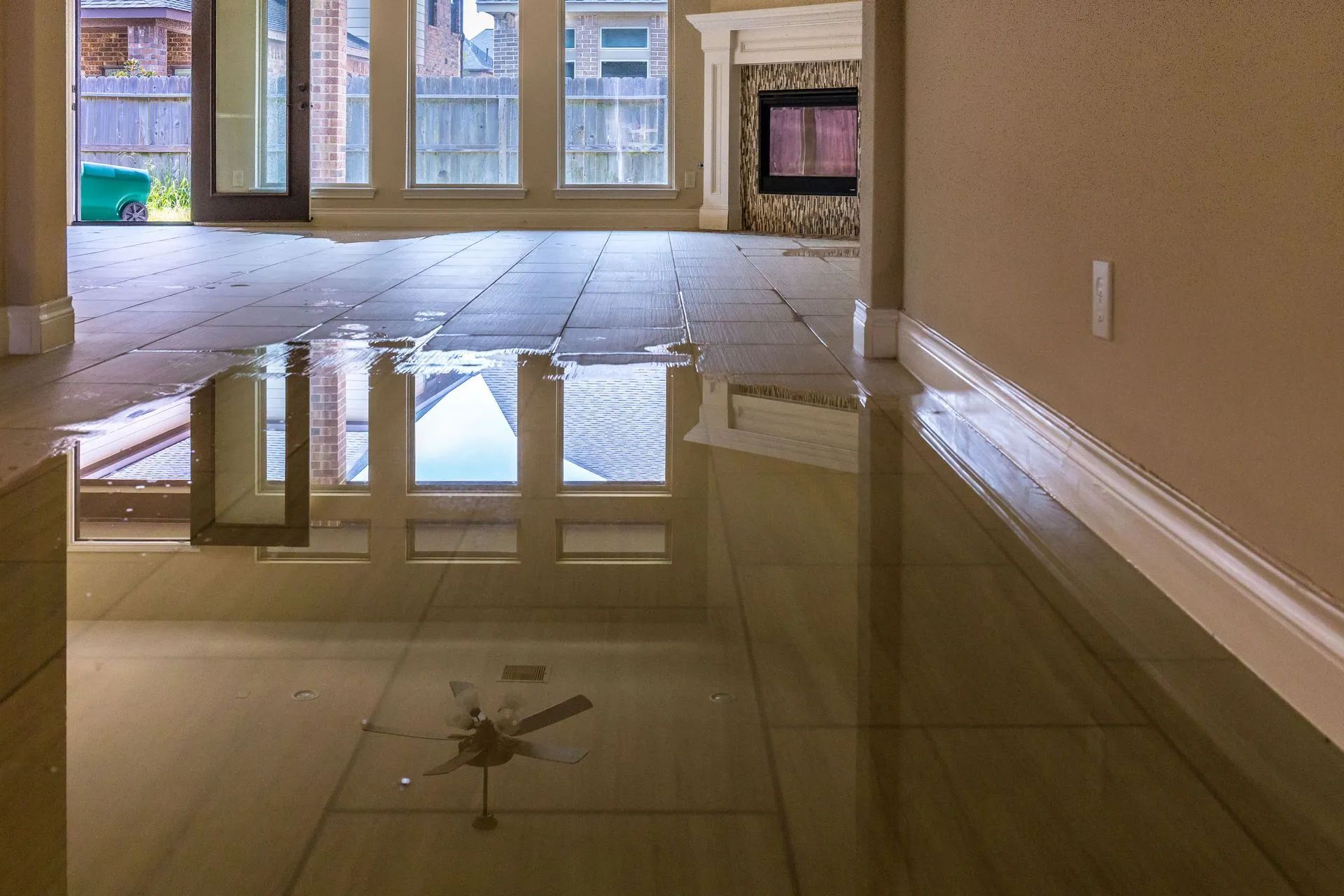
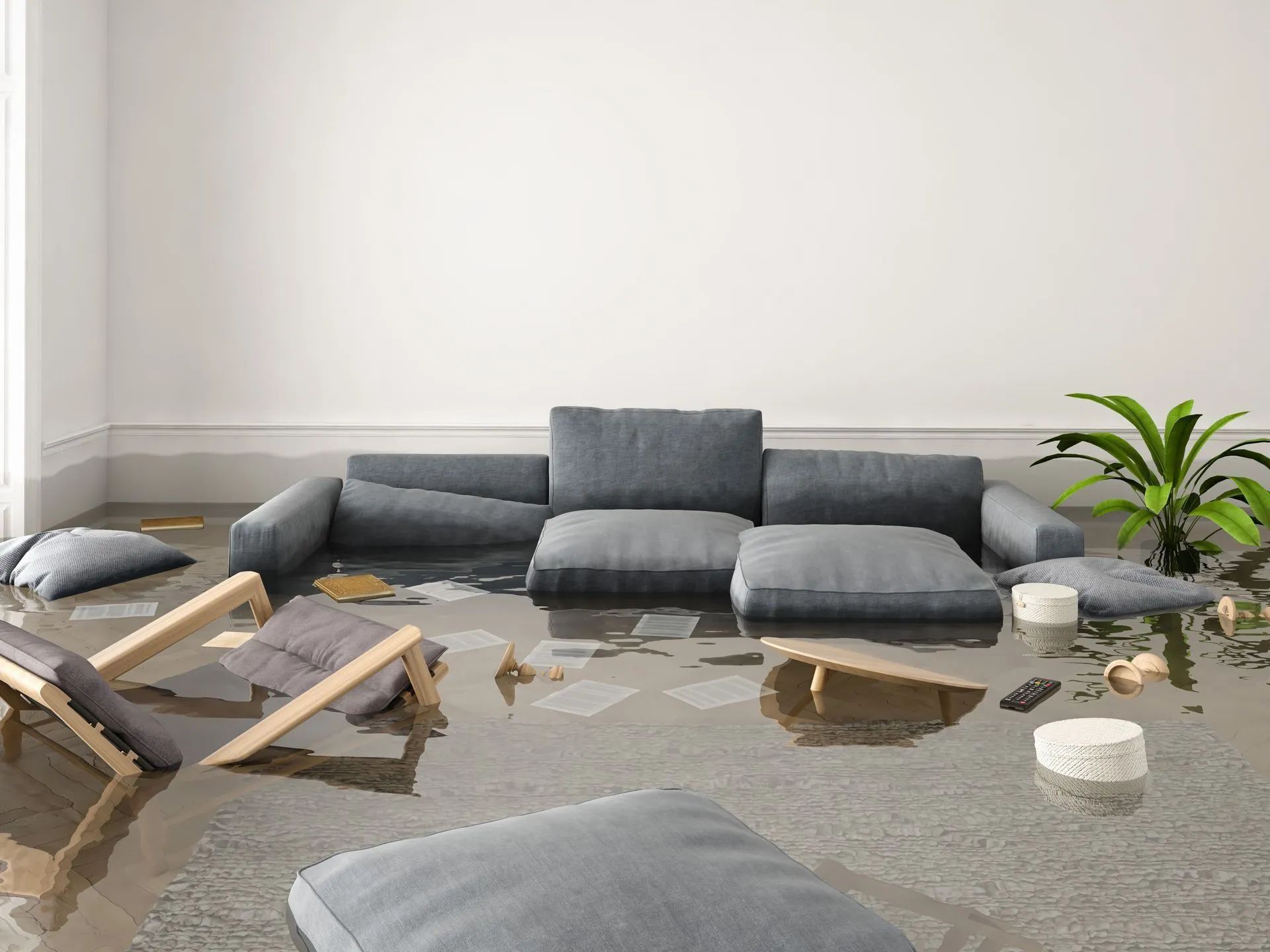
This process helps reduce the amount of damage caused by storm related flooding. Prompt action can significantly reduce the need for larger flood damage restoration projects later.
How Moisture Leads to Secondary Damage
Water damage does not stop once the initial flooding is removed. Moisture trapped inside building materials can create additional concerns in the days following a storm.
Damp conditions may cause wood to warp, drywall to weaken, and insulation to lose effectiveness. Moisture can also create the conditions necessary for mold growth if it is not addressed quickly. Because of this, professional water damage remediation often involves drying, cleaning, and restoring affected materials to prevent further problems.
Areas of the Home Most Vulnerable to Storm Water
Certain areas of a home are more vulnerable to water damage during spring storms. Basements and crawl spaces are common entry points because they sit below ground level where water naturally collects.
Attics may also experience problems if storms loosen roofing materials or allow rain to enter through small gaps. Garages and ground-level rooms can also be affected if storm water flows toward the home.
Addressing these concerns often requires assistance from a professional water damage company near me that can evaluate how moisture entered the structure.
Why Professional Restoration Matters
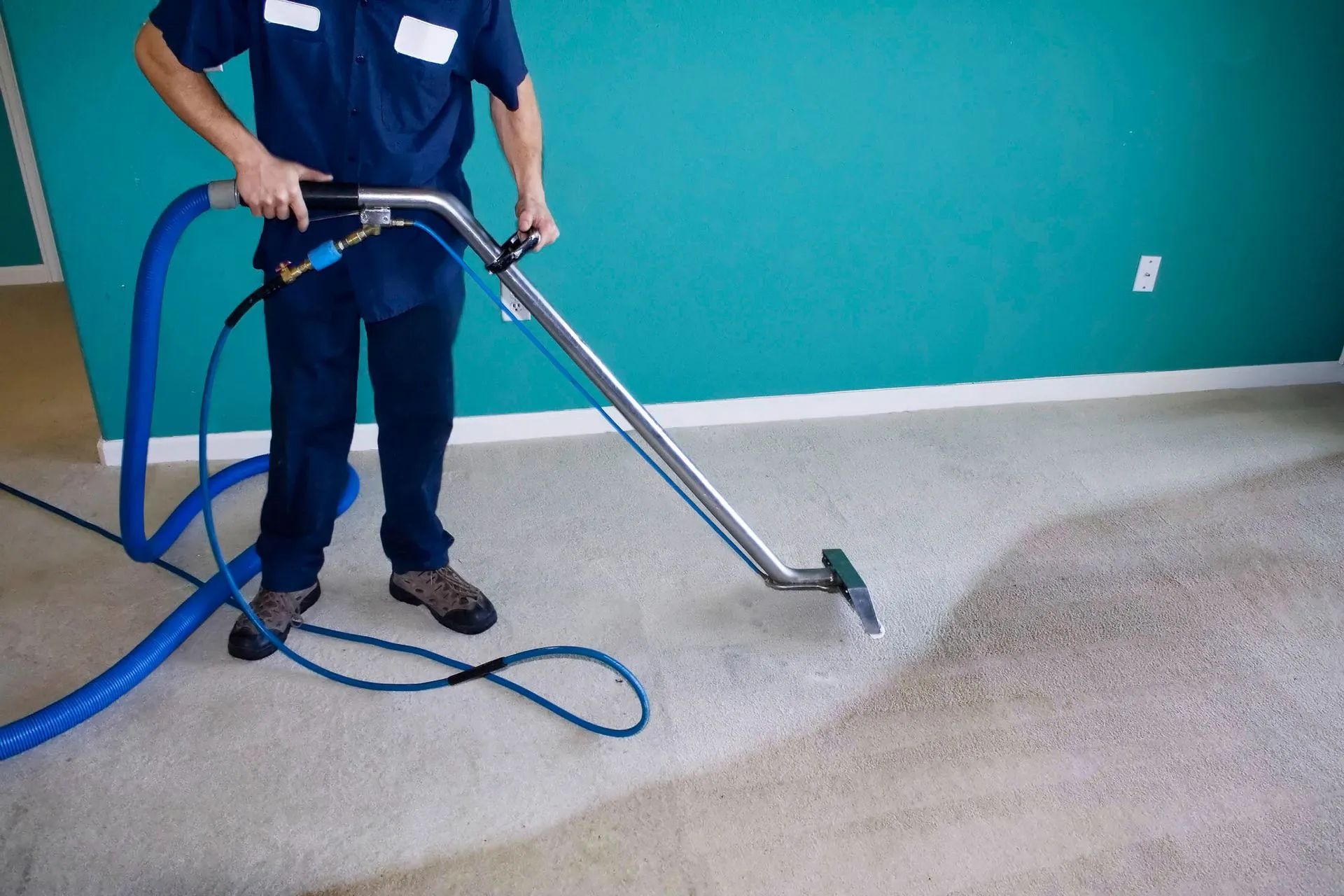
Water damage can spread quickly and affect areas of the home that are not immediately visible. Professional restoration teams use specialized equipment to locate moisture behind walls, under flooring, and within structural materials.
An experienced restoration provider can determine whether a home requires targeted drying or larger scale residential water damage restoration. Addressing moisture thoroughly helps prevent structural deterioration and future repair costs.
Mold Damage Restoration After Water Intrusion
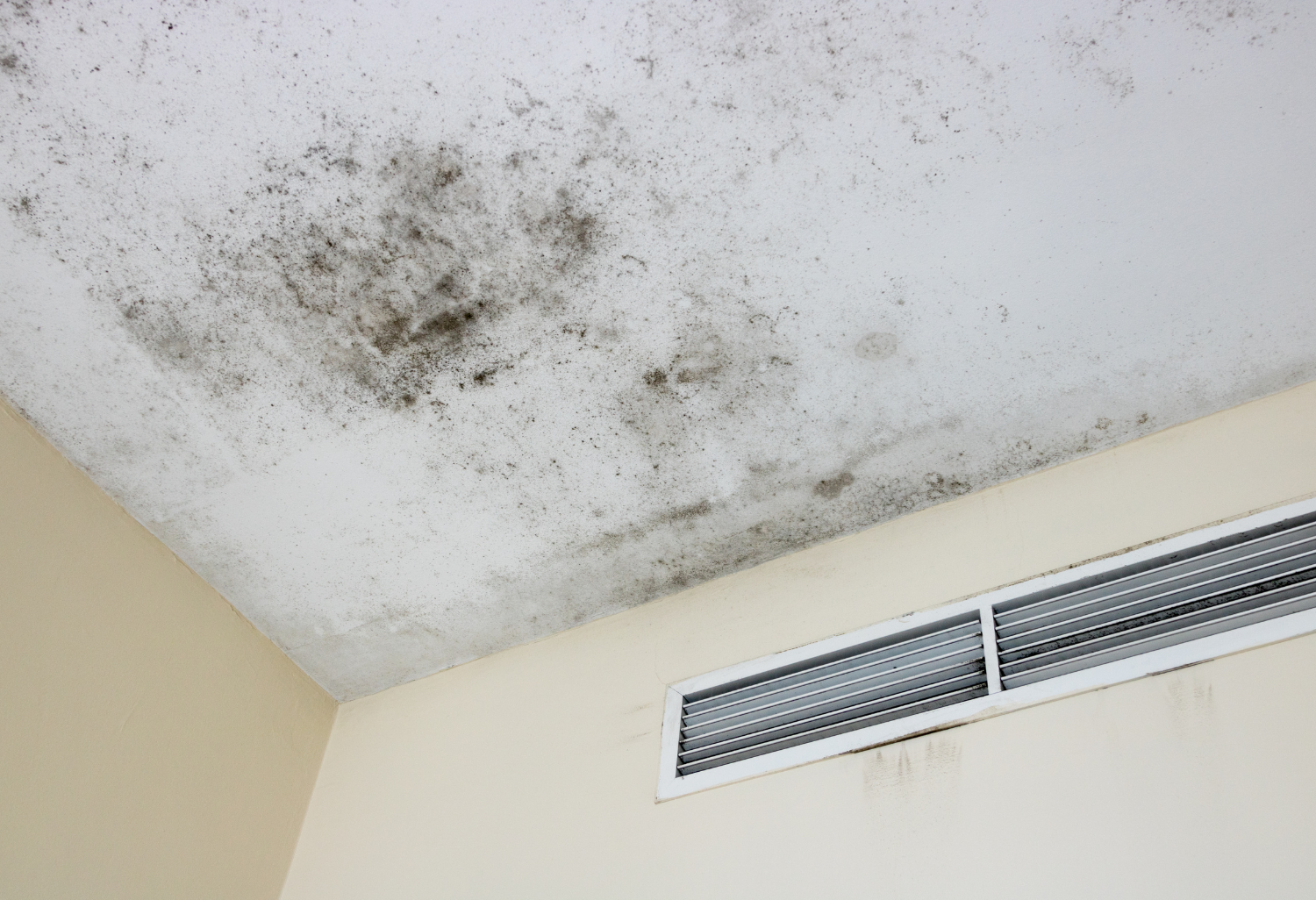
When water enters a home and remains trapped in building materials, mold can begin developing quickly. Moisture from storms, flooding, or plumbing leaks can soak into drywall, insulation, and wood framing, creating the conditions mold needs to grow. Because mold spores are naturally present in the air, they can begin spreading through damp areas of the home once moisture is introduced.
Professional mold damage restoration often becomes necessary when moisture from water damage is not addressed immediately. Restoration teams focus on identifying areas where mold has developed, safely removing affected materials, and drying surrounding surfaces to prevent the problem from spreading.
How Homeowners Begin Looking for Help
When flooding or storm water damage occurs, many homeowners begin searching online for a trusted "water damage company near me" that can respond quickly. Restoration teams often provide emergency services designed to stabilize the home and begin the drying process. Professional restoration services help ensure that water is removed safely and that affected areas are properly restored.
Protecting Your Home During Spring Storm Season
Spring storms are common throughout Maryland, and heavy rainfall can quickly lead to water intrusion if drainage systems become overwhelmed. Monitoring gutters, downspouts, and foundation areas can help reduce some risks, but unexpected flooding can still occur during severe weather.
If your home experiences storm related water intrusion, contact Service Pros Cleanup and Restoration today to learn how professional water damage restoration services can help protect your property and restore your home after spring storms.